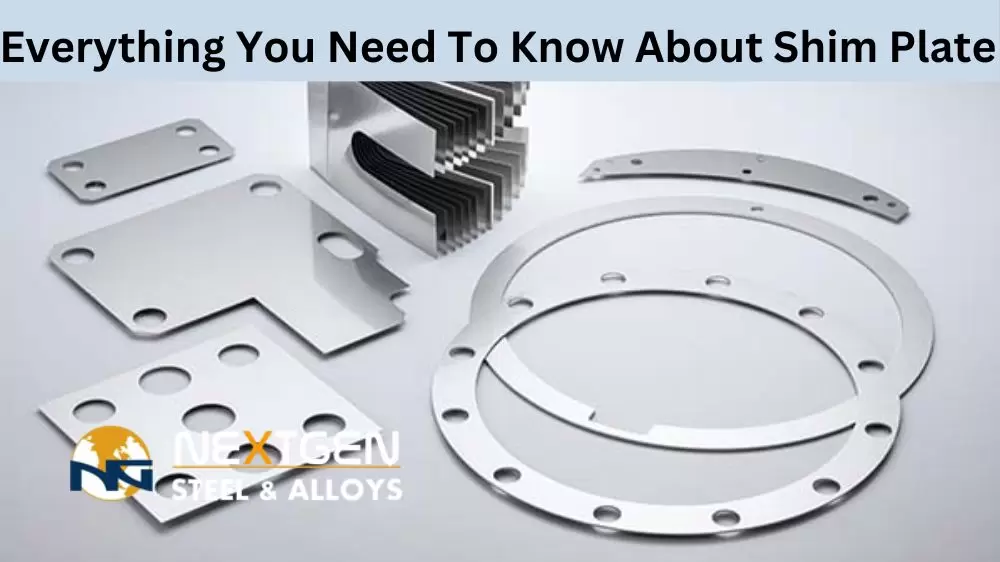
As a vital component in the manufacturing process of many industrial products, a shim plate is a thin piece of metal used for spacing, alignment, and levelling purposes. With its ability to create a precise fit and adjust as needed, the shim plate has become an essential material across various industries. In this blog post, we’ll dive into everything you need to know about shim plates and how they can be used to improve your manufacturing process.
What Is Shim Plate?
A Shim Plate, a spacer plate, is an essential engineering component to create precisely fitted parts and assemblies. It is a flat metal or plastic sheet with various holes cut out in it. Its purpose is to create space between two components when bolted together, creating the perfect fit for optimum performance. It can also help level and align the components by providing additional support or stability due to its thickness. When properly designed and machined, shim plates provide reliable accuracy for the precise assembly of complex machinery.
Shim Plate Materials
Shim plates come in different materials, such as stainless steel, aluminium, brass, and plastic.
Stainless steel is the most popular shim plate material for industrial applications due to its high strength and corrosion-resistant properties. Aluminium shim plates are lightweight, making them ideal for aeronautical applications. Brass, on the other hand, is a popular material for electrical applications because it is an excellent conductor. Overall, choosing the right material for your shim plate depends on the application in which it will be used.
Shim Plate Thickness
The thickness of a shim plate is a crucial factor to consider when selecting a shim plate. The thickness of a shim plate can range from 0.05 mm to 12.7 mm. The right thickness depends on the application and the pressure the shim will be subjected to. For instance, thin shims are ideal for applications that require precise alignment and low pressure, while thicker shims are perfect for applications that require high pressure.
Shim Plate Uses
Shim plates have a wide variety of uses across different industries. In the aerospace industry, shim plates are often used to balance the weight of an aircraft. These plates can be used in precision machinery to ensure the perfect alignment and to maintain critical tolerances. Shim plates can also be used for levelling and spacing purposes in the construction of buildings and bridges. Additionally, shim plates are used in the automotive industry to improve internal combustion engine performance.
Types Of Shim Plates
Shim plates come in different shapes and sizes to fit different applications. The most common types of shim plates are round, rectangular, and square shims. Hexagonal and tapered shims are less common but are still used in specific applications.
Conclusion
Shim plates may seem like a small component in manufacturing, but they play a huge role in ensuring precise fits. With different materials, thicknesses, and types available, choosing the right shim plate for your application is important. Shim plates are essential for maintaining critical tolerances, levelling, spacing, and alignment. By understanding the different types of shim plates, you can make informed decisions that will help improve your manufacturing process and product quality.